
Dance as a Healthy Screen Time Alternative for Kids in San Diego
Screens are everywhere in modern family life. They are in our pockets, in our living rooms, and often in our kids' classrooms too. Technology can be useful and even educational, but many parents in San Diego are searching for balanced activities that get their children moving, interacting, and expressing themselves. Recreational dance offers a compelling answer. It keeps the fun, removes the sitting still, and encourages creativity and confidence in a supportive environment.
Below we explore why dance is such a valuable alternative to passive screen time and how it positively impacts development for children from preschool through early adolescence. All insights apply whether a child is brand new to dance or already twirling through the house every afternoon.
What Screen Time Replaces in a Child's Day
Screen time tends to fill the empty spaces between school, meals, and bedtime. Those spaces were once home to imaginary play, outdoor exploration, or curious movement. When screens replace unstructured play too often, kids may miss out on development that builds coordination, problem solving, and emotional resilience.
Recreational dance gives children a dedicated time and place to move, listen, interact, and express their own ideas. Unlike screens, dance is active, social, and rooted in imagination.
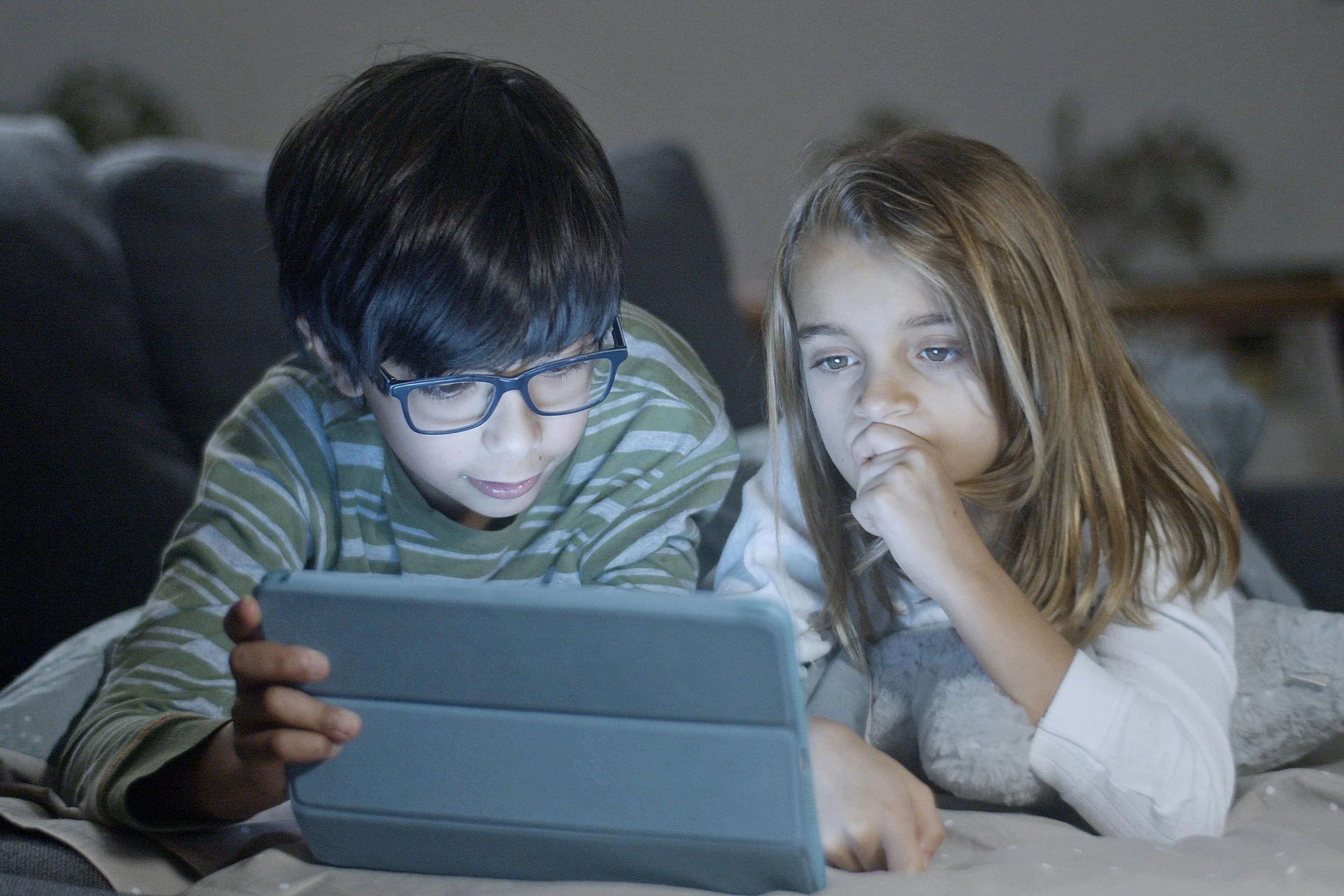
Two children watching a show together on a tablet.
Skill Building Through Movement
Screens entertain our children, but they rarely build physical literacy. Dance, on the other hand, supports the development of balance, coordination, rhythm, and spatial awareness. These skills appear in many everyday activities, from playground climbing to riding a bike. They also contribute to healthy posture and overall motor development.
In recreational dance classes at studios like Dynasty Dance Co in San Diego, instructors design movement activities appropriate for each age group. Young dancers practice simple patterns like tip toe walking or galloping, while older dancers explore turns, jumps, and combinations that challenge precision. Movement literacy supports better focus in school and more confidence in sports and daily activities.
A Creative Outlet that Screens Cannot Replicate
Screens offer fast visuals and quick entertainment, but creativity on a screen is often reactive rather than generative. Children watch, tap, or respond to prompts. Dance flips that formula. Instead of reacting to content, dancers create movement and contribute their own ideas to music and choreography.
Creativity has no right or wrong outcome, which makes dance especially supportive for children who might be shy, perfectionist, or hesitant to try new things. In class, dancers explore themes like animals, storybook worlds, or emotions and then interpret those themes through their bodies. This imagination based play supports cognitive flexibility, problem solving, and emotional expression.
Encouraging Confidence and Self Expression
Screens often encourage comparison. Kids may watch videos of influencers, performers, or even classmates, which can lead to self consciousness. Dance classrooms nurture confidence by focusing on individual progress rather than perfection. A child may enter class unsure or cling to a parent during the first few weeks. Over time, with encouragement and repetition, most dancers become more assured in their movements and more comfortable in front of peers.
Showcase events and in class performances let children experience the positive feedback loop of applause and pride. These moments boost confidence both inside and outside the studio.
Social Interaction Beyond Virtual Spaces
Many children socialize online more than they do in person. Dance provides face to face connection where dancers learn cooperation, teamwork, and mutual support. Kids take turns, navigate shared space, follow group instructions, and celebrate collective success.
These social experiences are particularly important for children in San Diego who may attend schools with large class sizes or busy schedules that leave little room for slow, unstructured relationship building. In a dance studio environment, friendships often form around shared movement and shared milestones, creating a sense of belonging that passive entertainment cannot provide.
Physical Activity that Feels Like Play
Parents know exercise is essential for healthy development, but not all children enjoy competitive sports. Dance offers physical activity without the pressure of scorekeeping. It supports strength, endurance, and flexibility in a play first environment.
Many parents in San Diego appreciate activities that get kids moving after a full day of sitting at school or riding in a car. Dance makes physical movement enjoyable which can build lasting positive associations with exercise.
Better Sleep and Calmer Evenings
Screen time in the evening often overstimulates children and disrupts sleep. Bright blue light signals the brain to stay awake and content consumption can keep thoughts racing well past bedtime. When children participate in active recreation like dance, their bodies and brains naturally prepare for rest.
Parents often report calmer evenings and smoother bedtime routines on dance class days. Movement helps release stored energy and reduces the need for mental distraction through screens.
Finding Balance in Modern Family Life
No parent needs to eliminate screens entirely. Technology has real benefits and can provide educational opportunities. The goal is balance. Dance helps achieve that balance by offering structured movement, creative play, and social interaction a few times each week.
In San Diego, families enjoy access to many outdoor spaces, but structured indoor activities like recreational dance provide consistency during busy seasons, cooler months, or times when kids crave routine.
Choosing the Right Dance Studio in San Diego
When selecting a studio, parents may want to consider a few important factors:
A welcoming and inclusive environment for beginners
Age appropriate instruction that supports development rather than competition
Opportunities for confidence building through low pressure performances
Guidance on class levels and styles such as ballet, jazz, contemporary, or tumbling
Teachers who make learning joyful and safe
Studios like Dynasty Dance Co focus on recreational dance that encourages curiosity and self expression rather than perfection. This approach aligns beautifully with families looking for a positive alternative to screens and a healthy activity that fits into everyday life.
Movement Brings Balance
Screens are here to stay, but they do not need to dominate childhood. Dance returns imagination, joy, and movement to children's lives. It fuels confidence, strengthens bodies, and creates friendships that stretch far beyond the classroom.
For families in San Diego who are seeking meaningful activities outside the digital world, recreational dance offers a pathway toward balance and growth that feels natural and fun. Take a look at our classes today!
